(Post by: Madie Hobbs)
Do you ever wonder what the point of being human is?
I probably ask myself this question much more frequently than the average person, but it’s a question we should all find the answer to at some point.
These musings must start in one place, however. They begin in a stable. In a stall freshly cleaned, to be made somewhat inhabitable for a newborn baby. It begins with swaddling clothes, and with the willful surrender of dignity.
It ends in a particular place too. On a hill, with a cross erected onto its highest point. With a man, no longer the child born in Bethlehem. With the King of the Jews, now beaten and mangled beyond all recognition.
This is the pique of humanity. The only person who ever did it perfectly ended up nailed to a cross with foes on all sides, begging for the forgiveness of His ignorant fellow man.
When we put it like that it sounds rather discouraging, doesn’t it? It certainly doesn’t sound at all like the life I imagine for myself.
Yet was it not this incarnation, this execution of the flesh, which ultimately brought about humanity’s greatest victory? Are we not also called to follow this Man’s example, to the letter, that we may know what fulfillment looks and feels like?
I once heard someone say that the only way for humanity to live up to its absolute highest potential is to accept the maximum responsibility for their own actions. Once a person takes all the responsibility for what they do, what they don’t do, how it affects people, etc., they should also learn to take responsibility for others. That is when their maximum effectiveness and sanctification is met.
The Christmas story is the ultimate example of what this looks like practically. Jesus, who owed humanity relatively very little due to their disobedience, made the conscious decision to take responsibility for the actions of His creation, laid aside His position in heaven, and decided to participate in the entire human experience, from birth to death.
Ultimately, the result of taking maximum responsibility resulted in extreme sacrifice and love.
How often do we shy away from those two things? How often do we seek glory, yet disregard the battle required to gain it? Why should we expect a life of ultimate fulfillment, when fulfillment is found most potently in the very actions we avoid?
While reading the Iliad by Homer earlier this year, I took a painstakingly long time to read a mammoth of an introduction to the story. In this introduction, the author said something which struck me instantly, and which applies rather potently to the topic at hand. He said,
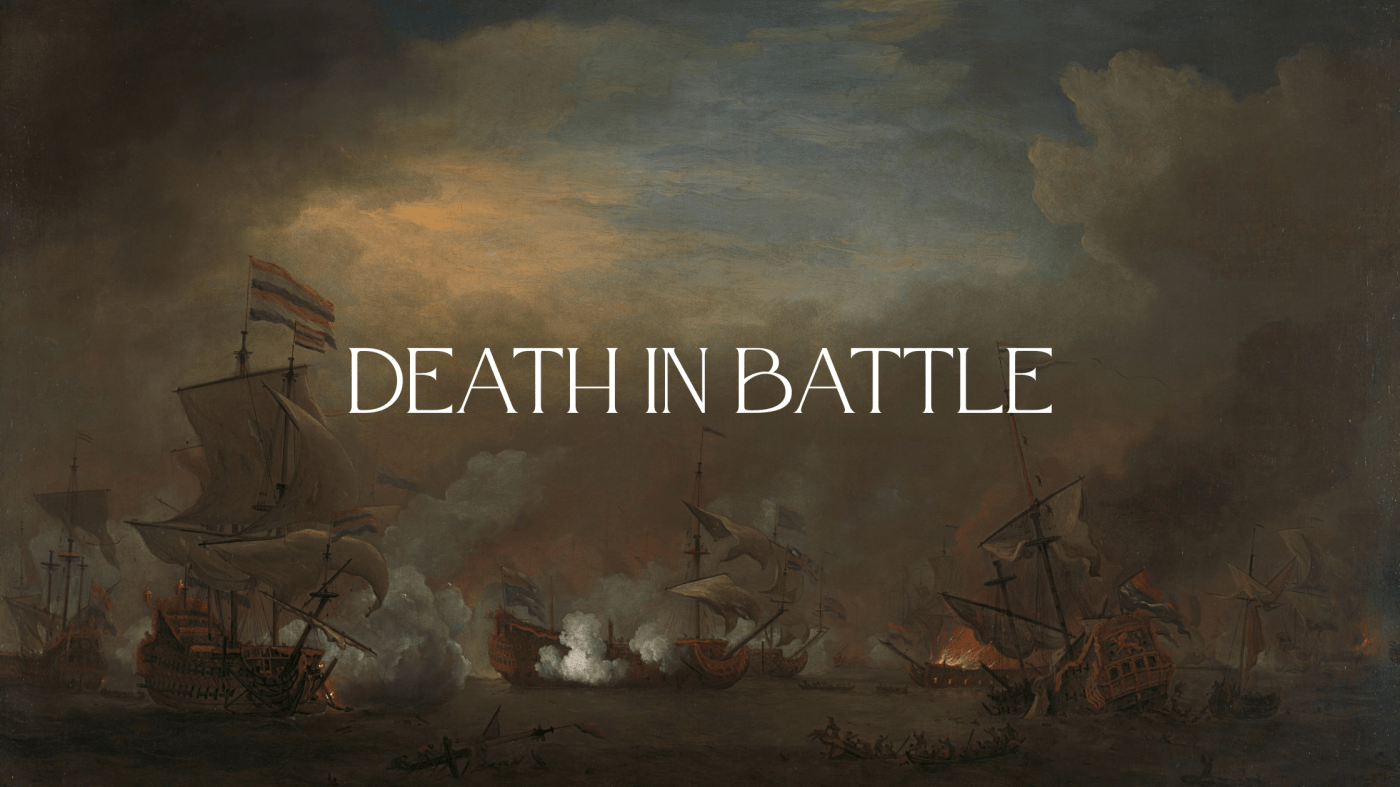
“Death is neither abhorred nor celebrated in this world, however. Instead, just as the Iliad distills the Trojan saga into a few days of intense fighting, it crystallizes by means of this one theme – death in battle – the essence of what it means to be human. Life is a struggle each person will ultimately always lose; the question is how one acts with that knowledge.” ~ Richard Martin
The story of the Iliad is most basically described as an epic detailing man’s struggle for glory, and his ultimate achievement being death.
But is this not the greatest glory? If our own Savior, the Creator of all things, the ultimate Divine power of the world, deemed victory through and over death the ultimate plan of redemption, should we not also throw ourselves headlong into battle?
Around this time of year, we like to focus only on the beginning of Christ’s story. On the beautiful way in which He entered the world to save it. But make no mistake, the beginning points directly to the end. The death of the flesh is the ultimate victory, and it is what every action in Jesus’ life prepared Him for.
This is the example we are commanded to follow.
Does every word you speak, every action you take, every social activity you participate in, prepare you for the ultimate responsibility of putting to death the things of your flesh, taking up your sword as a crusader for Christ, and experiencing the ultimate fulfillment of placing eternity in the human heart?
It is the hardest thing you will ever do. Turns out, that is exactly the point.



 The Few
Leave a comment